Elopements and Wedding Blessings in Scotland
Some couples slip away to marry with nobody watching. Others gather everyone they love for a ceremony where the legal part is already done. The words get used interchangeably all the time, so here’s what I mean by each.
What’s the difference between an elopement and a wedding blessing?
An elopement is about how you choose to get married. Just the two of you, or very nearly. In Scotland, it can be a legal wedding, provided the necessary arrangements are in place.
A wedding blessing is about celebrating your commitment without the legal formalities. Perhaps you're already married, or perhaps the legal wedding is happening somewhere else. This is your chance to have the ceremony you want, with the people you love, in a place that means something to you.
Both can be intimate or grand, traditional or entirely your own. Let's look at what they might mean for you.
Elopements
No seating plan. No speeches. No guest list you felt obliged to write. Just the two of you declaring your love in a place worth standing in.
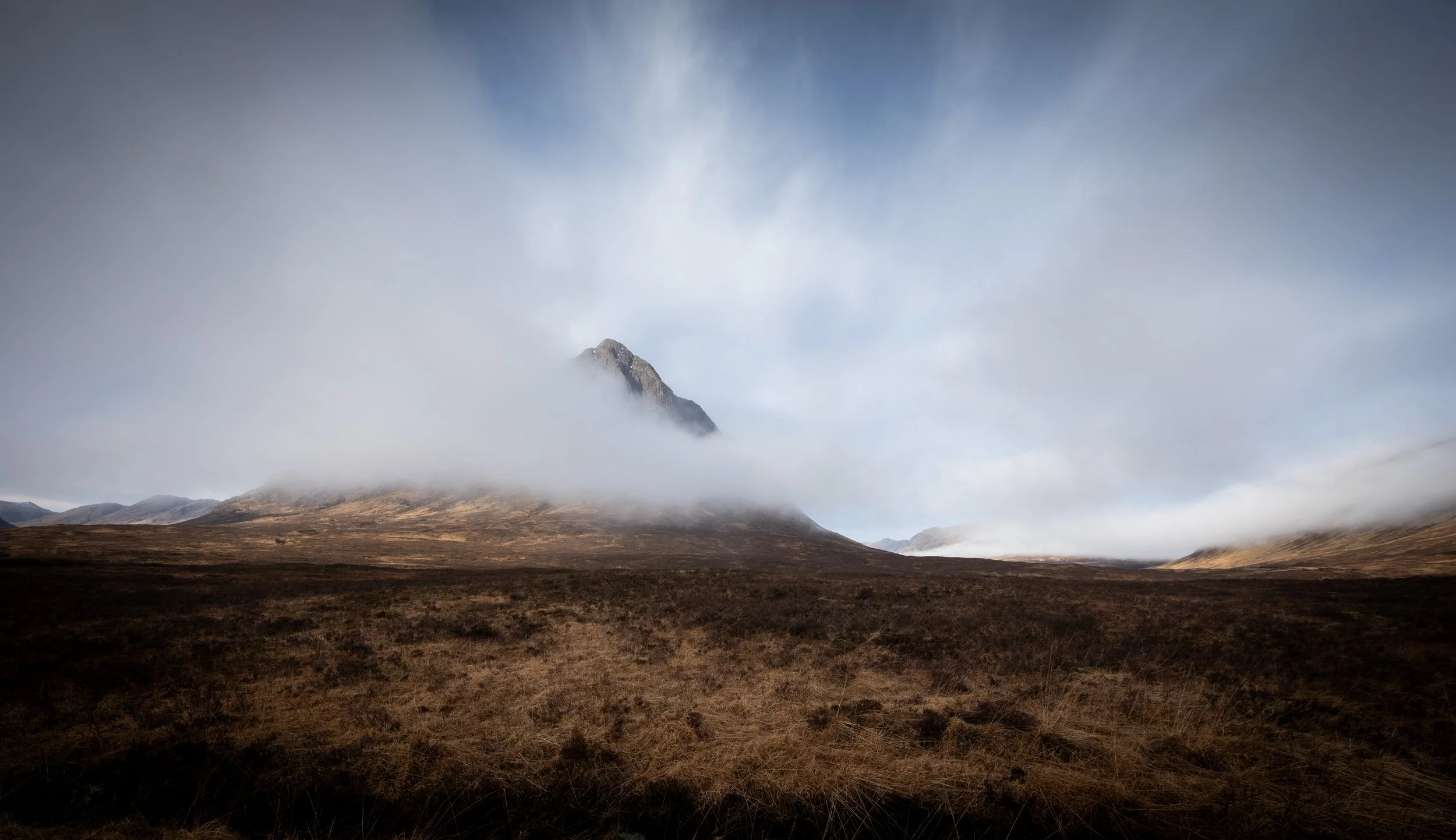
Scotland is made for this. A beach, a glen, the ruins of a castle, a fabulous venue. Your ceremony can take place somewhere spectacular, somewhere private, or somewhere that means the world to you. I'll come to you.
Any time of day suits me. Sunrise on a beach, late afternoon when the light goes gold, or whenever the place is at its best.
What about witnesses?
A legal wedding in Scotland needs two witnesses, both aged 16 or over. You might bring a friend each, or ask your photographer if they're happy to witness. If you're arriving with nobody, ask me about your date and location. I'll tell you honestly whether I can help arrange witnesses. If the legal part is happening elsewhere, we can create a symbolic elopement ceremony here with no legal paperwork or witnesses required.
Wedding Blessings
Some couples marry abroad and come home to celebrate with everyone who couldn't be there. Some have the legal part at a registry office and want the day itself to be something else entirely. Others are planning to marry somewhere else and want a ceremony in Scotland that captures what their commitment means to them.
A blessing can be as big as any wedding. A hundred guests, a dress, a piper, readings, rituals, the works. Or ten people in a garden. It's your ceremony, and it can take whatever shape you want.
The difference is small but important. There are no legal declarations and no marriage schedule to sign, because the ceremony itself doesn't make you legally married.
Everything else, your story, your vows, your promises to each other in front of your people, can be just as meaningful as at any legal wedding.
Your ceremony
Small doesn’t mean brief, and whether it’s legal or symbolic makes no difference to the care that goes into the writing.
I’ll ask you the same questions I ask all my couples. How you met. What you’ve never told anyone. What marriage actually means to the two of you. Then I’ll write a ceremony around your story, your personalities and the tone you want. Romantic, relaxed, full of laughter, meaningful, or a little of everything.
What changes is who’s listening. Not what gets said.
The paperwork for a legal wedding in Scotland
This section applies if you're planning a legal wedding ceremony in Scotland.
You'll need to submit marriage notice forms to the registrar in the district where your ceremony will take place. The registrar must receive them at least 29 days before the wedding, and it's generally wise to get started around 10 to 12 weeks ahead. I'll send you a written guide to help you understand the steps involved.
If you're coming from outside the UK, there may be additional requirements in both countries depending on your nationality and circumstances. Start that conversation with the registrar earlier than you think you need to, as extra time may be required to check and process your paperwork. The National Records of Scotland sets out what is required for a non-UK national.